

The United States economy is currently experiencing a complex interplay of factors influencing inflation, employment, and consumer confidence. Understanding these dynamics is crucial for both policymakers and the public.
Inflation and Energy Costs
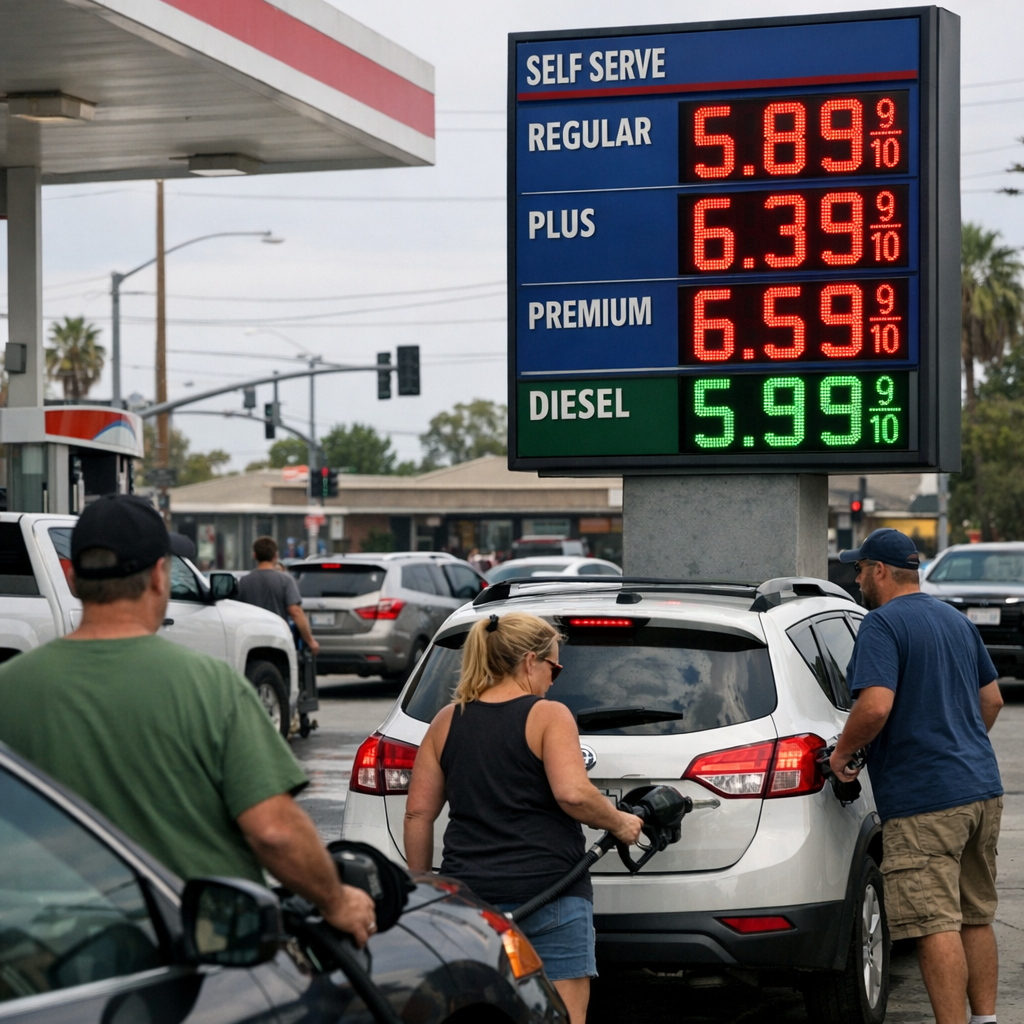
Inflation has seen a notable uptick, with the Consumer Price Index rising by 3.8% in April. A significant contributor to this increase is the surge in energy prices, particularly gasoline, which has climbed above $4.50 per gallon. This escalation is largely attributed to ongoing geopolitical tensions, notably the conflict in Iran, which has disrupted global oil supplies. [Source: Axios]
Employment Trends
Despite inflationary pressures, the labor market has shown resilience. In April, employers added 115,000 jobs, surpassing forecasts. The unemployment rate remains steady at 4.3%. However, wage growth has not kept pace with inflation, leading to a decrease in real purchasing power for many Americans. [Source: Associated Press]
Consumer Confidence
Rising prices and stagnant wage growth have impacted consumer sentiment. Recent surveys indicate a decline in consumer confidence, reflecting concerns over the economy’s direction and personal financial stability. This sentiment is further influenced by increased reliance on credit and a cautious approach to spending. [Source: Axios]
Policy Responses
The federal government is actively seeking solutions to these economic challenges. Strategies include negotiating energy deals to stabilize fuel prices and implementing fiscal policies aimed at curbing inflation without stifling growth. The effectiveness of these measures remains to be seen as the situation evolves. [Source: Axios]
In summary, the U.S. economy is navigating a period of heightened inflation, steady employment growth, and wavering consumer confidence. Staying informed and adaptable is essential as these economic conditions continue to develop.