

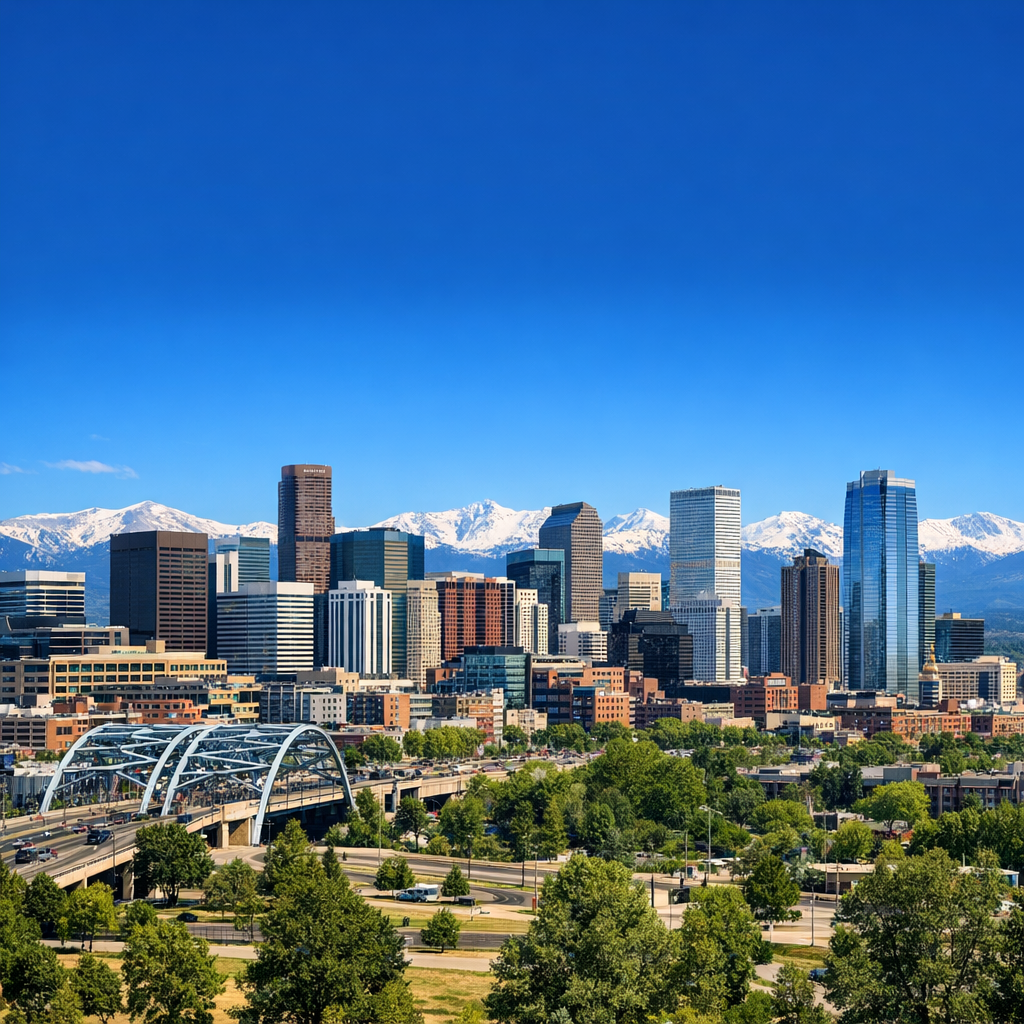
Denver, known as the Mile High City, boasts a distinctive climate characterized by its semi-arid conditions and notable seasonal variations. Understanding these patterns is essential for residents and visitors alike.
Seasonal Weather Patterns
Winter
Winters in Denver are relatively mild. The average daily high temperature hovers around 45°F (7°C), and days reaching 60°F (16°C) are not uncommon. Snowfall occurs but typically melts quickly due to abundant sunshine, allowing outdoor activities to continue year-round.
Spring
Spring brings a gradual warming trend. March sees average highs of 56°F (13°C), increasing to 72°F (22°C) by May. This season also marks an uptick in precipitation, with May averaging 2.56 inches (65 mm) of rainfall.
Summer
Summers are warm and dry, with low humidity levels. July, the warmest month, averages a high of 88°F (31°C). The arid conditions contribute to comfortable evenings and a plethora of sunny days.
Autumn
Autumn features a gradual cooling, with October averaging highs of 66°F (19°C). The season is marked by clear skies and vibrant foliage, making it a favorite among many.
Environmental Considerations
Air Quality
Denver faces challenges with air quality, particularly concerning ozone pollution. The city ranks as the eighth-most ozone-polluted region in the U.S., averaging 30 high-ozone days annually. This poses health risks, especially for individuals with respiratory conditions.
Urban Tree Canopy
The city’s tree canopy coverage has remained stagnant at 16.7% over the past five years, below the national average of 17.9%. Urban trees provide numerous benefits, including improved air quality and reduced urban heat island effects. Efforts are underway to enhance this coverage, with plans to plant 4,500 new trees to support environmental goals.
Land Subsidence
Recent studies indicate that Denver is gradually sinking, with most of the city subsiding at an average rate of over 2 millimeters per year. While the current risk to infrastructure is considered low, ongoing monitoring and proactive urban planning are essential to mitigate potential future impacts.
By staying informed about Denver’s climate and environmental factors, residents can better prepare for seasonal changes and contribute to the city’s sustainability efforts.