

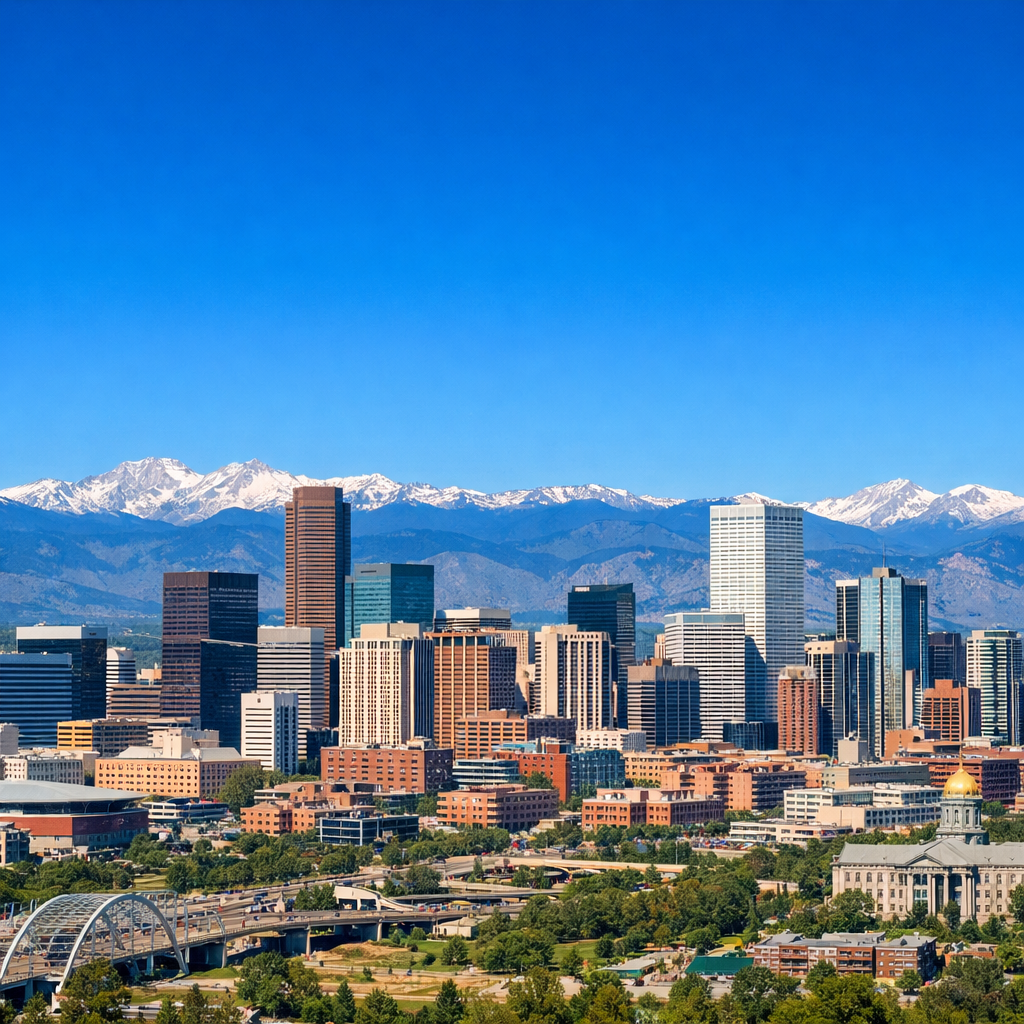
Denver, known as the Mile High City, boasts a distinctive semi-arid climate characterized by four distinct seasons and abundant sunshine. Understanding these patterns is essential for residents to navigate daily life and appreciate the city’s environmental dynamics.
Seasonal Weather Patterns
Winter
Winters in Denver are relatively mild, with average daily high temperatures around 45°F (7°C). Snowfall is common but tends to melt quickly due to the city’s abundant sunshine, allowing outdoor activities to continue year-round.
Spring
Spring brings warmer temperatures and increased precipitation. Average highs in May reach approximately 72°F (22°C), accompanied by about 2.56 inches (65 mm) of rainfall. This season is also marked by the blooming of local flora, though residents should be prepared for occasional late-season snowstorms.
Summer
Summers are warm and dry, with average highs in July around 88°F (31°C). The low humidity levels make the heat more tolerable, and the city enjoys long days of sunshine, perfect for outdoor activities.
Autumn
Autumn features cooler temperatures and vibrant foliage. October sees average highs of 66°F (19°C) and lows of 33°F (1°C). This season is generally dry, providing comfortable conditions for enjoying the outdoors.
Environmental Considerations
Air Quality
Denver faces challenges with air quality, particularly concerning ozone pollution. The city ranks among the top ten most ozone-polluted regions in the United States, with an average of 30 high-ozone days annually. This pollution poses health risks, especially for individuals with respiratory conditions.
Urban Tree Canopy
The city’s tree canopy coverage has remained stagnant at 16.7% over the past five years, below the average of similar U.S. cities. Urban trees provide numerous benefits, including improved air quality and reduced urban heat island effects. Efforts are underway to increase tree planting and enhance the urban canopy.
Climate Change Impacts
Climate change is influencing Denver’s weather patterns, leading to earlier springs and longer growing seasons. These shifts can affect agriculture, water resources, and public health. Staying informed about these changes is crucial for community resilience.
By understanding Denver’s climate and environmental challenges, residents can better prepare for seasonal changes and contribute to the city’s sustainability efforts.