

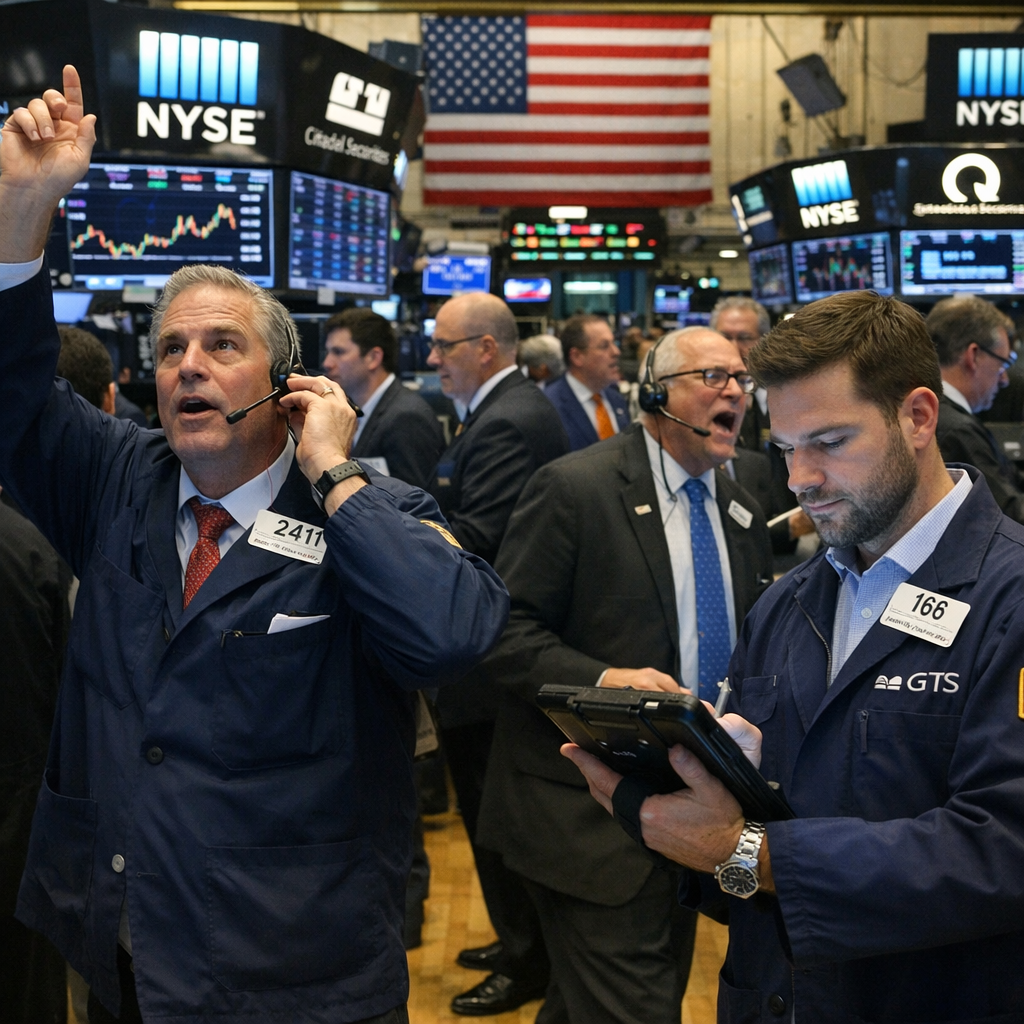
The U.S. economy is currently experiencing a period of steady growth, though certain challenges persist. Recent data indicates that while the economy is expanding, the pace has been slower than anticipated in recent quarters. The labor market continues to add jobs; however, long-term unemployment rates are showing a gradual increase. Inflation, although below its peak, remains a concern due to its persistent nature.
Trade Policies and Economic Impacts
Trade policies have introduced additional complexities. The administration’s proposed tariffs, set to take effect in July 2026, have raised concerns among economists and business leaders. These tariffs could potentially disrupt supply chains and increase costs for both businesses and consumers, thereby affecting overall economic stability.
Federal Reserve’s Role
The Federal Reserve closely monitors various economic indicators, including employment rates, inflation, and stock market performance, to make informed decisions regarding interest rates. Their objective is to balance promoting economic growth while keeping inflation in check.
Looking Ahead
As the U.S. navigates these economic dynamics, it is crucial for policymakers, businesses, and consumers to stay informed and adaptable. Understanding the interplay between trade policies, labor market trends, and monetary policies will be essential in fostering a resilient and thriving economy.