

By Amelia Mohammed
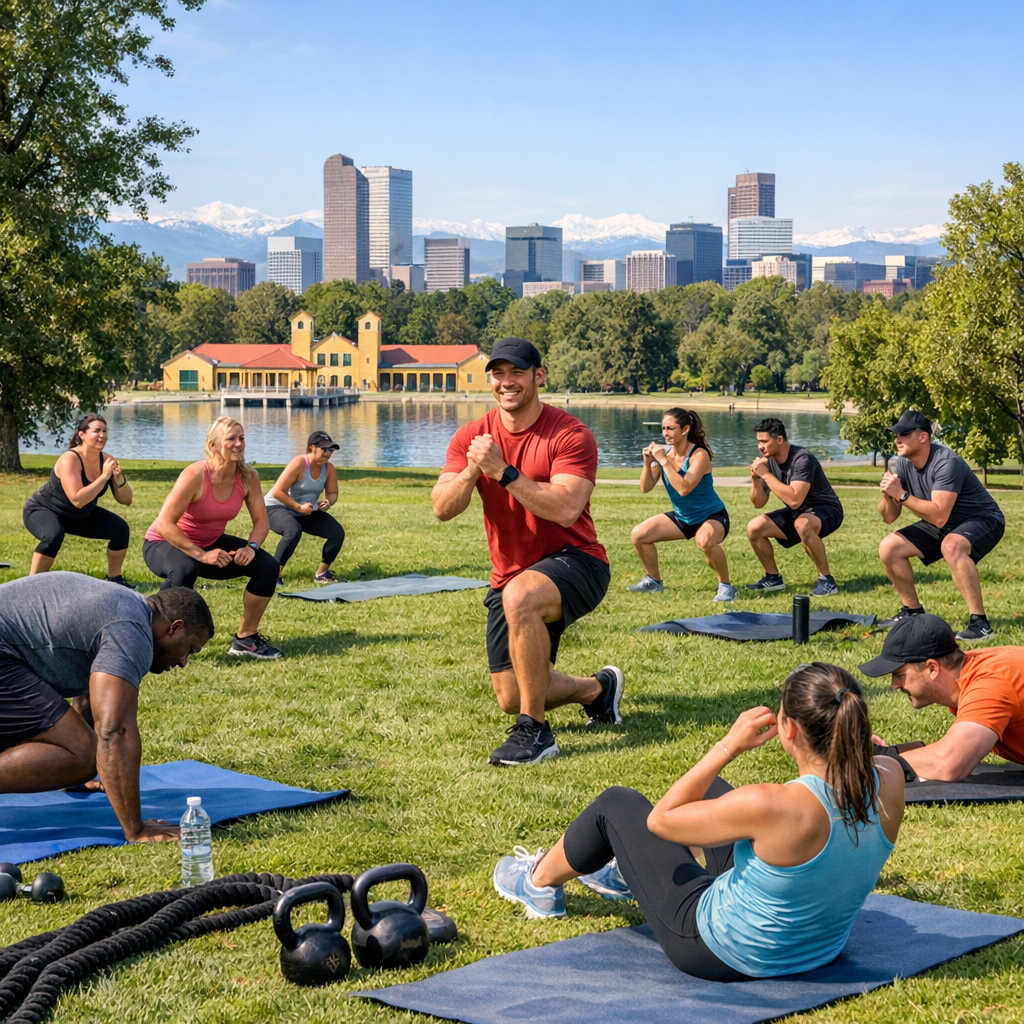
Living in Denver offers big advantages for wellness—from fresh mountain air to abundant parks. But staying truly healthy also means blending fitness, mental health and community into your routine. Here’s a guide to balanced wellness, with tips, local resources and fitness ideas that build strength for both body and mind.
1. Understand the Five Pillars of Fitness
To maintain well-rounded health, aim to incorporate these types of movement into your weekly routine:
- Cardiovascular exercise: Hikes in Matthews/Winters Park, jogs along Cherry Creek Trail, or group cycling.
- Strength/resistance training: Bodyweight moves, free weights, machines or resistance bands.
- Flexibility & mobility: Gentle yoga, dynamic stretching, restorative practices.
- Balance & coordination: Tai chi, single-leg work, balance boards or age-friendly classes.
- Sport or recreational activities: Pickleball, indoor climbing, dance fitness—things that engage joy and movement.
Experts recommend spreading activity throughout the week—for example, two or more days of strength training plus at least 150 minutes of moderate cardio—or equivalent—along with mobility and balance work. Even 10-minute bursts count. (Adapted from national exercise guidelines.)
2. Leverage Denver’s Community Fitness Resources
The Denver YMCA offers an extensive menu of programs that go beyond the gym floor: group exercise classes, personal training, aquatics, healthy aging and nutrition education. It’s built for people at all ages and skill levels.
If you’re budget-minded, CU Denver and local parks provide cheap or free outdoor routes and simple workouts. Even walking 7,000 steps a day or breaking up activity into short sessions helps when time or money is tight.
3. Mental Health: Support That Makes a Difference
Well-being isn’t just physical. Denver Health offers strong outpatient & inpatient behavioral health services for adults, adolescents, and children alike. Support includes therapy, substance use treatment, and crisis response.
Local nonprofits like Heartland Mental Health offer drop-in community centers where people in recovery can connect, find support, and build meaningful peer relationships.
4. Mix it Up But Build Consistency
Variety helps you stay motivated. Blend harder bouts—like HIIT or uphill hikes—with gentle recovery days: stretching, yoga, or walking. Rotate formats—indoor gyms, outdoor trails, group classes—to keep things engaging.
Set a simple long-term goal: maybe commit to scheduled classes or 30 minutes of activity five days a week. Small wins add up toward lasting improvements in strength, mood, sleep and energy.
5. Lessons from Local Experts & Science
Regular moderate activity delivers clear benefits: improved heart health, better sleep, reduced risk of chronic illness, and less stress. Starting with outdoor walks, even if short, is strongly supported by research.
Walking or working out outdoors strengthens mood and energy thanks to sunlight exposure, changing scenery, and fresh air. In Denver, with its high elevation and many clear days annually, that advantage is even greater.
Takeaway
Think of wellness in Denver as a long game. Use what’s here—parks, gyms, community programs—and build routines that include strength, cardio, flexibility, balance and mental health support. Start small, be consistent, and find what feels sustainable. Your body and mind will both thank you.