

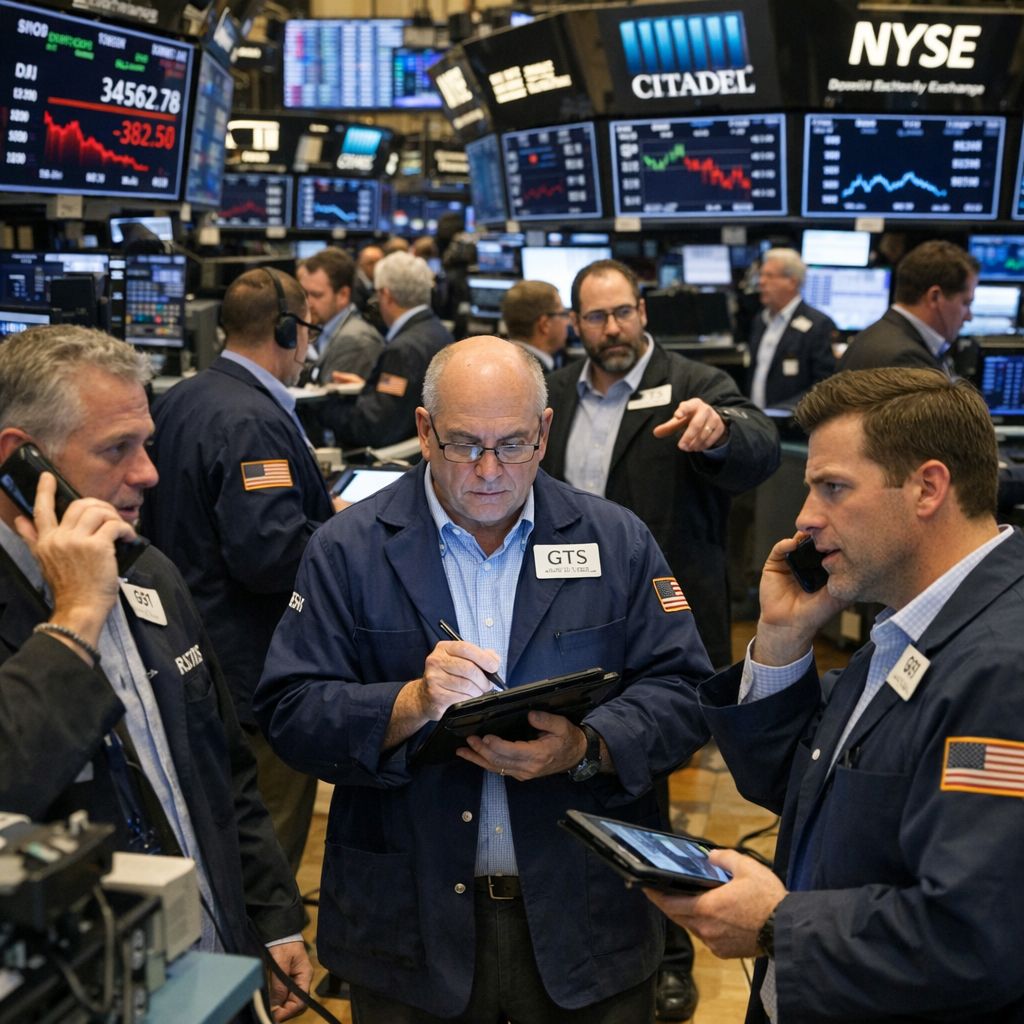
The U.S. economy is currently experiencing a complex interplay of factors influencing its growth, employment rates, and inflation levels. Understanding these elements is crucial for both policymakers and the general public.
Economic Growth and Employment
Recent data indicates that the U.S. economy is expanding, albeit at a slower pace than anticipated. The labor market remains stagnant, with job openings largely unchanged in recent months. This stagnation suggests that while the economy is not contracting, it is not growing robustly either.
Inflation and Consumer Prices
Inflation rates have shown signs of decline from previous peaks but remain stubbornly high. Consumers are particularly feeling the strain, as elevated prices at the pump and rising grocery costs continue to impact household budgets. Economists suggest that these elevated prices may persist in the coming months.
Federal Reserve Policies
The Federal Reserve has maintained steady interest rates in recent decisions, aiming to balance economic growth with inflation control. However, the effectiveness of these measures is still under observation, as the economy responds to various domestic and international pressures.
Global Influences
International events, such as the ongoing conflict in Iran, have contributed to economic uncertainties. The war’s economic impact is expected to linger through 2026, affecting global oil prices and, consequently, the U.S. economy.
Conclusion
In summary, the U.S. economy is navigating a period of moderate growth with persistent inflation and employment challenges. Staying informed about these developments is essential for making sound financial and policy decisions.