

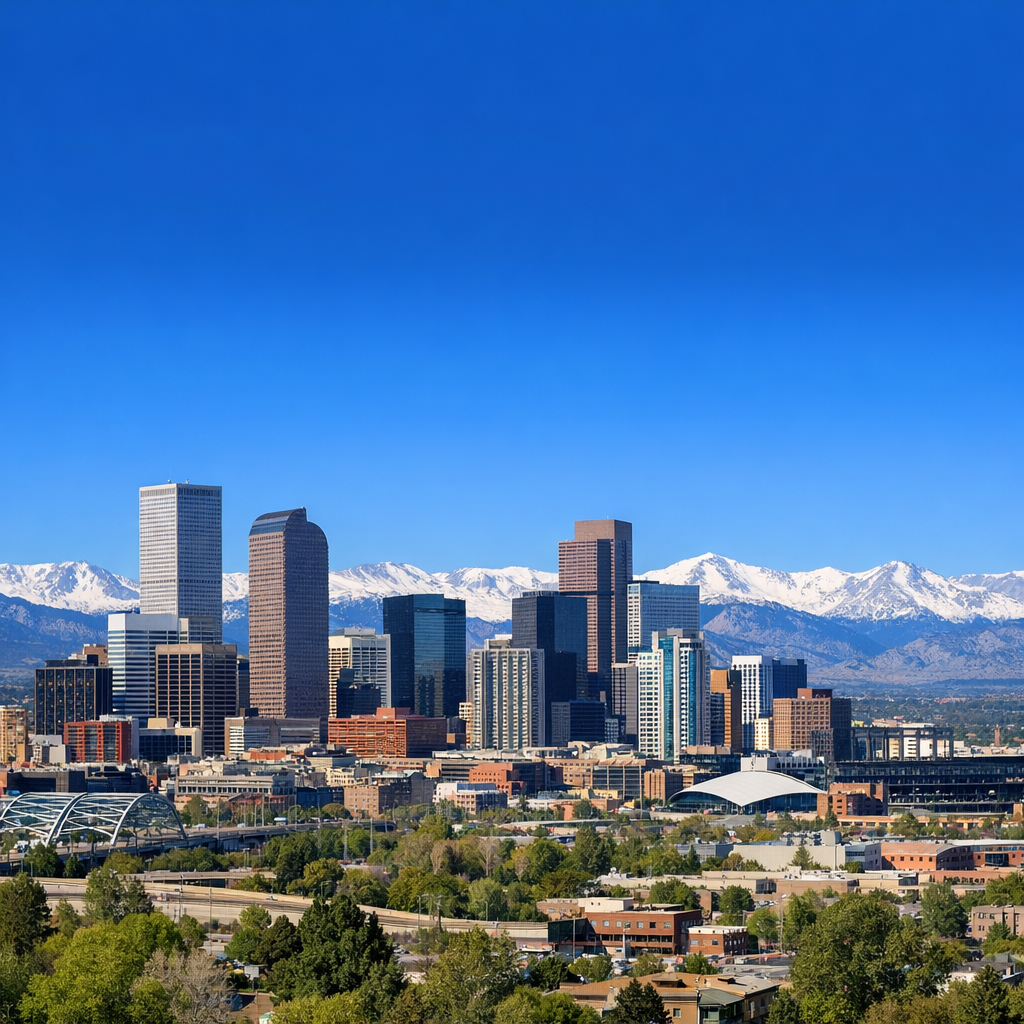
Denver’s climate offers a unique blend of conditions that cater to a variety of preferences, making it an appealing destination year-round. Situated at an elevation of 5,280 feet, the city experiences a semi-arid climate with distinct seasonal variations.
Winter: Mild and Sunny
Contrary to common perceptions, Denver’s winters are relatively mild. The average daily high temperature hovers around 45°F (7°C), and it’s not uncommon for temperatures to reach 60°F (16°C) during winter days. Snowfall does occur but tends to melt quickly due to abundant sunshine, allowing outdoor activities to continue throughout the season.
Spring: Unpredictable and Varied
Spring in Denver is characterized by its unpredictability. Residents can experience a mix of warm days and sudden snowstorms. This variability means it’s essential to be prepared for rapid weather changes during these months.
Summer: Warm Days and Cool Evenings
Summers are warm with low humidity, making for comfortable conditions. Average daily high temperatures in August reach around 86°F (30°C). The low humidity levels contribute to pleasant evenings, ideal for outdoor activities.
Autumn: Crisp and Colorful
Autumn brings mild, sunny days with crisp evenings. The changing foliage adds to the city’s scenic beauty, making it a favorite season for many residents and visitors.
Climate Considerations
Denver’s altitude and semi-arid climate result in significant temperature swings between day and night. It’s advisable to dress in layers to accommodate these fluctuations. Additionally, the city’s elevation means the air is thinner, which can affect individuals not acclimated to higher altitudes.
Understanding Denver’s seasonal weather patterns enhances the experience of living in or visiting the Mile High City, allowing for better preparation and enjoyment of all that the region has to offer.