

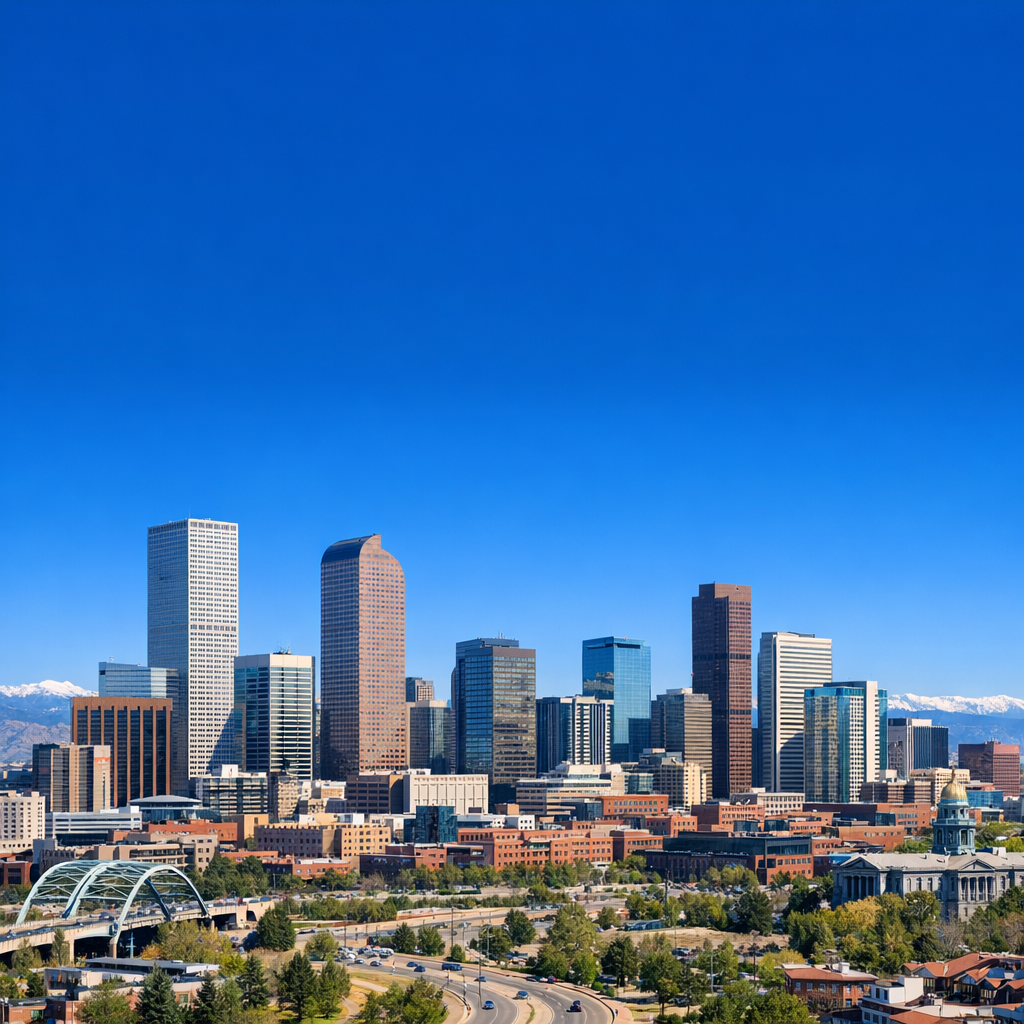
Denver’s climate offers a unique blend of characteristics that residents and visitors alike should understand to make the most of the city’s weather patterns.
Abundant Sunshine
One of Denver’s most notable features is its abundant sunshine. The city enjoys over 300 days of sunshine each year, surpassing cities like Miami and San Diego. This sunny disposition contributes to the city’s vibrant outdoor culture and provides ample opportunities for year-round activities.
Seasonal Temperature Variations
Denver experiences four distinct seasons, each bringing its own temperature ranges:
Winter
Winters are generally mild, with average daily high temperatures around 45°F (7°C). It’s not uncommon for temperatures to reach 60°F (16°C) during winter days. Snowfall does occur but tends to melt quickly due to the abundant sunshine, allowing outdoor activities to continue throughout the season.
Spring and Fall
These transitional seasons bring a mix of weather conditions. Spring can see rapid changes, from warm days to sudden snowfalls. Fall is characterized by mild, sunny days and cooler evenings, making it a favorite time for many residents.
Summer
Summers are warm with low humidity, making for comfortable days and cool evenings. The average daily high temperature in August is around 86°F (30°C). The city’s elevation of 5,280 feet contributes to these pleasant summer conditions.
Precipitation and Snowfall
Denver’s arid conditions result in annual precipitation ranging from 8 to 15 inches. Snowfall is common in winter but doesn’t linger long due to the city’s sunny climate. This means that even in winter, outdoor cafes and golf courses often remain open.
Climate Classification
According to the Köppen climate classification, Denver falls under the BSk category, indicating a cold semi-arid climate. This classification reflects the city’s low annual precipitation and significant temperature variations between seasons.
Understanding these patterns can help residents and visitors prepare for Denver’s dynamic weather and fully enjoy all that the city has to offer.